
Research and Self Determination Index
The Research and Self-Determination Index measures the degree of freedom to investigate human biology and to exercise self-determination with regard to our bodies.
Expanding medical knowledge through research, enhancing patients’ well-being through medical treatment, and securing the best available treatment are universal aspirations shared by researchers, health care professionals and patients around the globe.

Abortion
Abortion and contraception allow women to express their freedom of reproduction by exercising their right of self-determination over their bodies.

Assisted reproduction
Access to assisted reproduction concerns our ability to expand our freedom of reproduction by offering us the opportunity to have children notwithstanding infertility.

End of Life
End of life decisions concern our ability to make choices concerning the end of our lives and take of the form of refusal of life sustaining treatment, being help in committing suicide, choosing euthanasia, and make choices that must be upheld even when the person becomes unconscious.

GM Crops
GM crops have contributed significantly to modern agriculture. Plant breeding using genetic modification techniques has led to improving crops in more targeted ways than classical breeding techniques.

Research with embryo
Research with embryos and pre-embryos as well as therapeutic cloning concerns scientists’ freedom to investigate human biology as well as patients’ freedom to access regenerative medicine treatments that may be developed as a result of research with human embryonic stem cells.

Right to science indicators
The human right to science is recognized in Article 27 of the Universal Declaration of Human Rights and Article 15(b) of the International Covenant on Economic, Social and Cultural Rights.
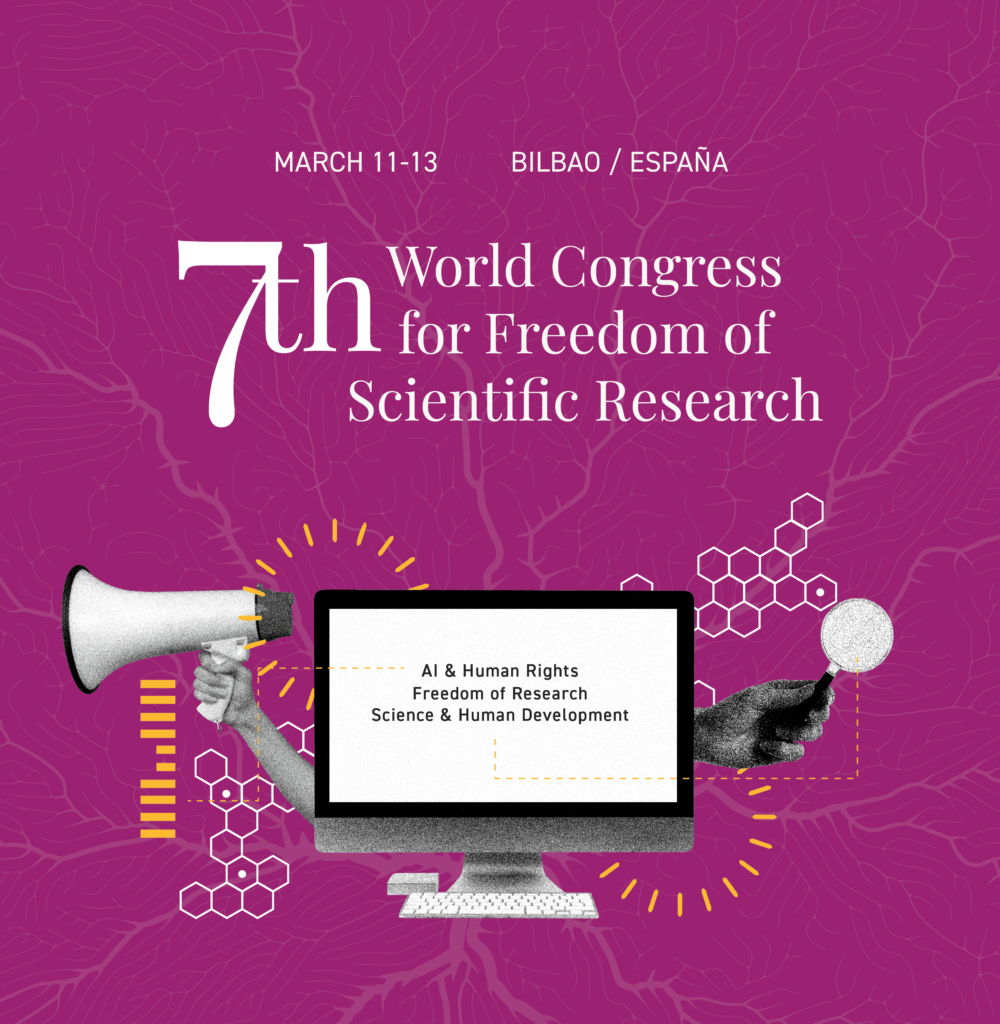
11-13 March 2027, Bilbao, Spain
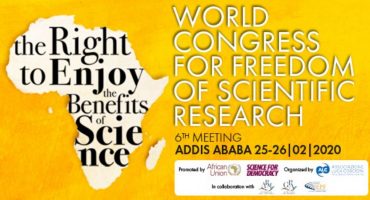
The 7th Edition of the World Congress for Freedom of Scientific Research
Bilbao, 11-13 March 2027
Science for Democracy and Associazione Luca Coscioni are organizing the 7th meeting of the World Congress for Freedom of Scientific Research in Bilbao, Spain from 11-13 March 2027. The event is being supported by the Government of the Basque Countries. The themes at the center of the debate will be AI and human rights, freedom of research, and science and human development.
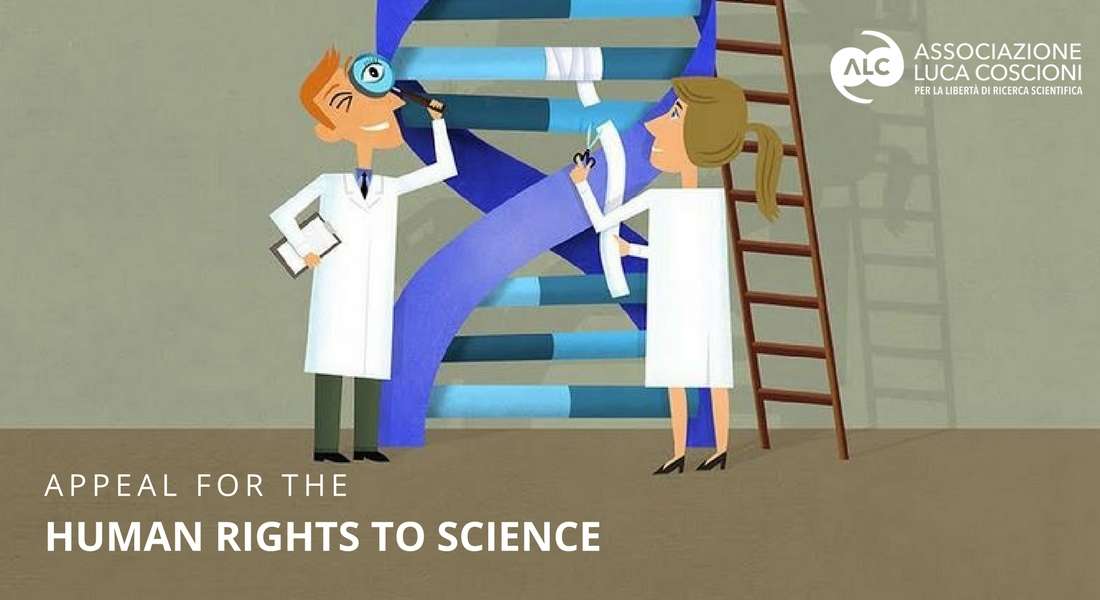
Appeal for the Right to Science
We the undersigned
call on governments
to respect their international obligations concerning the full enjoyment of human rights; to support the scientific enterprise at the national, regional and international levels; to promote and protect scientific culture and education, including humanities, at the national level, including through international cooperative projects…continue reading